
Kidney Function Test (KFT): Creatinine & Urea Guide
12 October, 2026

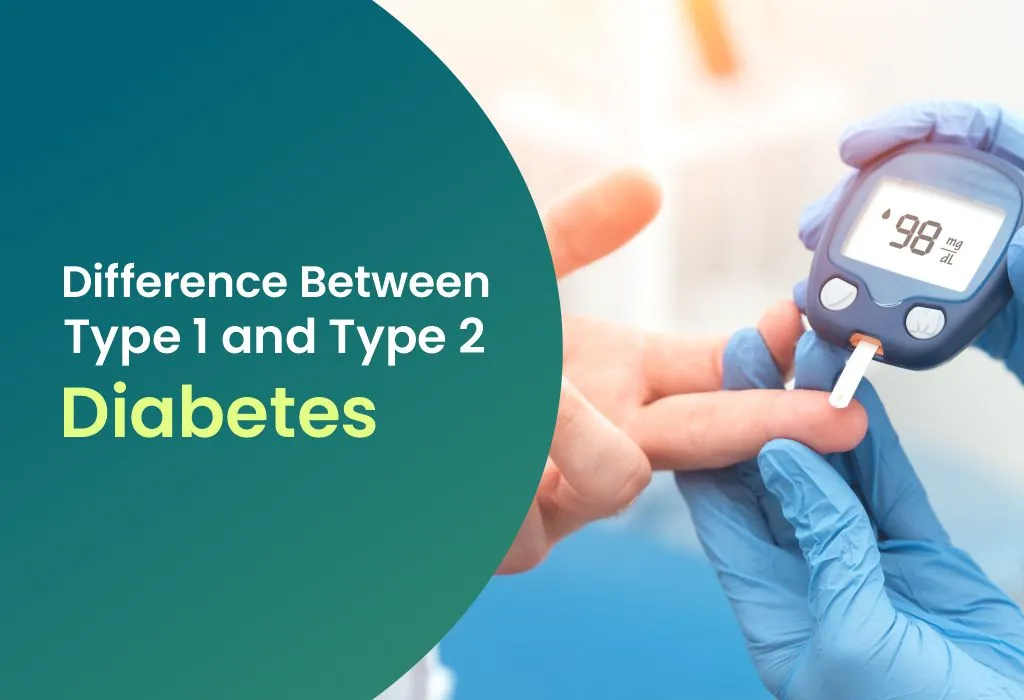
Diabetes touches the lives of millions of families across India every year. From busy cities to small towns, more people are noticing unusual thirst, tiredness, or frequent trips to the bathroom. The good news is that understanding the difference between Type 1 and Type 2 diabetes helps you spot the signs early and choose the right path forward.
At UniQ Pathlab, we meet patients every day who want clear answers about their health. In this article, we explain both types in simple words, compare their causes, symptoms, and care options, and share practical tips that work for Indian lifestyles. You will also learn why a timely Diabetes Test can bring peace of mind and better control.
Type 1 diabetes happens when the body’s own defence system attacks the cells in the pancreas that make insulin. Without insulin, sugar cannot enter the cells and stays in the blood. This type usually appears in children, teenagers, or young adults, though it can start at any age.
People with Type 1 diabetes produce almost no insulin on their own. That is why they need daily insulin injections or an insulin pump right from the start. The condition is not linked to lifestyle or body weight. It often runs in families, but a viral infection or other trigger can also play a role.
Daily life changes quickly. Blood sugar levels can swing fast, so regular checks become part of the routine. Many patients learn to count carbs in chapati, rice, or sweets and adjust their insulin dose accordingly. With the right support, children with Type 1 diabetes attend school, play sports, and grow up healthy.
Type 2 diabetes is far more common in India and usually appears after the age of 30, though younger adults are now seeing it too. In this type, the body still makes insulin, but the cells stop responding to it properly—a problem called insulin resistance. Over time, the pancreas gets tired and makes less insulin.
Extra weight around the stomach, family history, lack of exercise, and diets rich in refined carbs and sweets increase the risk. Many people live with Type 2 diabetes for years without knowing because the signs appear slowly.
The big difference here is that lifestyle changes can often control it in the early stages. Walking 30 minutes daily, eating more fibre-rich dal and vegetables, and reducing portion sizes of rice and maida items can bring blood sugar down without medicines for some patients.
The root cause sets Type 1 and Type 2 diabetes apart clearly. Type 1 is an autoimmune condition. The immune system mistakes healthy pancreas cells for enemies and destroys them. Genetics play a part, but doctors cannot predict exactly who will get it.
Type 2 has a strong lifestyle connection. Being overweight, sitting for long hours at work, stress from city life, and eating too many processed snacks or sugary drinks raise the chances. In India, the combination of high-carb diets and low physical activity makes Type 2 very common even among slim people who carry fat around the waist.
Family history matters for both types, but more so for Type 2. If a parent or sibling has it, the risk jumps. Pregnancy-related diabetes (gestational diabetes) can also increase the chance of Type 2 later in life. Smoking and high blood pressure add to the list for Type 2.
Both types share some common signals, yet the speed and pattern differ. In Type 1, symptoms often come suddenly: extreme thirst, frequent urination (even at night), unexplained weight loss, tiredness, and blurred vision. Children may wet the bed again after staying dry for years. Without quick help, a serious condition called ketoacidosis can develop.
Type 2 symptoms build slowly. You might feel tired after meals, notice dark patches on the neck or underarms (acanthosis nigricans), or see slow-healing cuts. Many people first learn about it during a routine check-up or when they visit the doctor for frequent infections or numbness in the feet.
If you or anyone in your family feels constantly thirsty, hungry, or exhausted, do not wait. A simple Diabetes Test at home or at a lab can confirm what is happening before complications start.
Doctors use a few reliable blood tests to tell Type 1 from Type 2 and to confirm diabetes. Fasting blood sugar, post-meal sugar, HbA1c (average sugar over three months), and sometimes C-peptide or autoantibody tests help decide the type.
At UniQ Pathlab, our Diabetes Test package includes all these important markers in one go. It saves time and gives a complete picture. For Type 1, the test often shows very low C-peptide levels and positive autoantibodies. For Type 2, insulin levels may be normal or high at first, and autoantibodies are absent.
Early diagnosis changes everything. If caught in the pre-diabetes stage, many people reverse the trend with diet and exercise alone. That is why we always tell our patients: “A quick Diabetes Test today can prevent years of worry tomorrow.”
Treatment for Type 1 starts and stays with insulin. Patients learn to inject or use a pump, check blood sugar multiple times a day, and balance food with activity. Newer insulins and continuous glucose monitors have made life easier and safer.
Type 2 treatment is more flexible. Many patients begin with lifestyle changes—walking after dinner, choosing whole-grain atta, and cutting down on sweets. If needed, doctors add tablets like metformin. Later, some may require insulin, but not everyone does.
Both types need regular monitoring of eyes, kidneys, feet, and heart. Indian patients often benefit from adding yoga or brisk walking in the park to their routine. Stress management through family support or meditation also helps keep sugar levels steady.
At UniQ Pathlab, we guide patients on follow-up Diabetes Test schedules so they can track progress and adjust treatment with their doctor.
Type 1 cannot be prevented yet, but good management reduces complications. For Type 2, prevention is very much possible. Simple steps that fit Indian homes include:
These changes not only lower diabetes risk but also improve energy and mood for the whole family.
Knowing the difference between Type 1 and Type 2 diabetes helps you respond faster and live better. Type 1 needs lifelong insulin support, while Type 2 often improves with daily habits and timely care. Both conditions become easier to handle when you stay informed and check your numbers regularly.
If you notice any signs or simply want peace of mind, book your Diabetes Test at UniQ Pathlab today. Our experienced team uses the latest machines and delivers clear reports with doctor-friendly explanations. Visit https://www.uniqpathlab.in/test/diabetes-test to schedule your test at a centre near you or opt for home collection.
Your health journey matters to us. One small step—a simple Diabetes Test—can protect your future and your family’s happiness. Let us help you stay strong and in control.
1. What is the main difference between Type 1 and Type 2 diabetes?
Type 1 diabetes occurs when the immune system attacks insulin-producing cells in the pancreas, so the body produces little or no insulin. Type 2 diabetes happens when the body becomes resistant to insulin or does not produce enough of it. Type 1 usually develops early in life, while Type 2 is more common in adults but is increasingly seen in younger people.
2. What are the common symptoms of Type 1 and Type 2 diabetes?
Both types may cause symptoms such as frequent urination, increased thirst, fatigue, unexplained weight loss, blurred vision, and slow healing of wounds. However, symptoms of Type 1 diabetes often appear suddenly, while Type 2 symptoms may develop gradually over time.
3. How are Type 1 and Type 2 diabetes diagnosed?
Doctors usually diagnose diabetes through blood tests such as fasting blood sugar tests, HbA1c tests, or glucose tolerance tests. Regular diagnostic testing at a reliable lab like UniQ Pathlab helps detect diabetes early and monitor blood sugar levels effectively.
4. Can Type 1 or Type 2 diabetes be prevented?
Type 1 diabetes cannot currently be prevented because it is an autoimmune condition. Type 2 diabetes, however, can often be prevented or delayed with healthy lifestyle choices such as balanced diet, regular exercise, weight management, and routine health screenings.
5. Why are regular diabetes tests important?
Regular blood sugar testing helps detect diabetes early and prevents complications such as heart disease, nerve damage, kidney problems, and vision issues. Timely lab tests also help track how well treatment and lifestyle changes are controlling blood glucose levels.
Our aim is to make quality healthcare accessible to one and all. Our Motive is to help everyone in living disease free life!